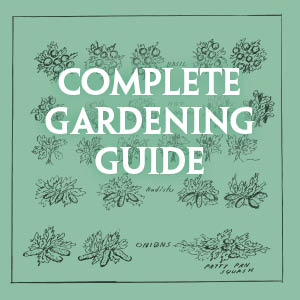

Carrots Love Tomatoes: Secrets of Companion Planting for Successful Gardening [Louise Riotte] on desertcart.com. *FREE* shipping on qualifying offers. Carrots Love Tomatoes: Secrets of Companion Planting for Successful Gardening Review: a classic for every gardener's shelf - How have I gone so long without such a must-have, classic book? This rare treasure among a sea of gardening guides? Written originally in 1975 and updated in 1998, Carrots Love Tomatoes: Secrets of Companion Planting for Successful Gardening, published by the well-respected Storey Publishing, should be the bible which we all refer to when deciding where to thoughtfully place each plant in our garden. Who knew that beans and onions would hinder the growth of one another? And how did Louise Riotte know that planting celery near cauliflower would deter the white cabbage butterfly? There are no flashy photographs in this book nor dreamy prose. Yet there is such a wealth of information here dispersed among simple and informative drawings. If only I had known last year that dill may affect carrot growth in a negative way, I may have ended up with carrots that weren't the size of cocktail weenies. It truly does matter which veggies end up being neighbors. If you don't plant the right guys next to each other, you'll end up with HBO-worthy fighting over nutrients that will prevent one or both of them from flourishing. Here are just a few great tips I learned from my new favorite book: * basil helps keep tomatoes healthy from disease while improving growth and flavor * beets and kohlrabi grow well together because they take soil nourishment at different levels * broccoli is hindered by tomatoes Pick this book up and you'll see how many great tips you can find to ensure your crop this year is the best it can be. Review: And I do too! - initial reaction and informal commentary: Since removing our back lawn and putting in a garden, I wanted to make the best use of space and one of the ways I thought to do that was by companion planting and so I have been on the lookout for both books and websites which might share such information. I came across this little gem while quite well known as an organic gardener and has written some 12 books about gardening. One thing I particularly loved was all the folk lore which she shared about plants. I also appreciated the homespun wisdom which she imparted. She tells the reader not to consider weeds all bad as they are working the dirt by putting their roots through the earth and helping to break it up and keep it aerated for the gardener. The layout of the book is somewhat encyclopedic with chapters on garden vegetables, herbs, weeds, fruit trees, nut trees, garden pests and garden types. In the chapter on vegetables she details what plants work well together as well as which to avoid and gardening techniques for each. I found this book to be helpful and I'm using the information this year in planning my garden and will use it as a reference book in the future.


| Best Sellers Rank | #27,820 in Books ( See Top 100 in Books ) #9 in Organic & Sustainable Gardening & Horticulture #13 in Herb Gardening #13 in Vegetable Gardening |
| Customer Reviews | 4.7 4.7 out of 5 stars (3,110) |
| Dimensions | 6 x 0.5 x 9 inches |
| Edition | 2nd |
| ISBN-10 | 1580170277 |
| ISBN-13 | 978-1580170277 |
| Item Weight | 2.31 pounds |
| Language | English |
| Print length | 224 pages |
| Publication date | January 2, 1998 |
| Publisher | Storey Publishing, LLC |
C**E
a classic for every gardener's shelf
How have I gone so long without such a must-have, classic book? This rare treasure among a sea of gardening guides? Written originally in 1975 and updated in 1998, Carrots Love Tomatoes: Secrets of Companion Planting for Successful Gardening, published by the well-respected Storey Publishing, should be the bible which we all refer to when deciding where to thoughtfully place each plant in our garden. Who knew that beans and onions would hinder the growth of one another? And how did Louise Riotte know that planting celery near cauliflower would deter the white cabbage butterfly? There are no flashy photographs in this book nor dreamy prose. Yet there is such a wealth of information here dispersed among simple and informative drawings. If only I had known last year that dill may affect carrot growth in a negative way, I may have ended up with carrots that weren't the size of cocktail weenies. It truly does matter which veggies end up being neighbors. If you don't plant the right guys next to each other, you'll end up with HBO-worthy fighting over nutrients that will prevent one or both of them from flourishing. Here are just a few great tips I learned from my new favorite book: * basil helps keep tomatoes healthy from disease while improving growth and flavor * beets and kohlrabi grow well together because they take soil nourishment at different levels * broccoli is hindered by tomatoes Pick this book up and you'll see how many great tips you can find to ensure your crop this year is the best it can be.
B**Y
And I do too!
initial reaction and informal commentary: Since removing our back lawn and putting in a garden, I wanted to make the best use of space and one of the ways I thought to do that was by companion planting and so I have been on the lookout for both books and websites which might share such information. I came across this little gem while quite well known as an organic gardener and has written some 12 books about gardening. One thing I particularly loved was all the folk lore which she shared about plants. I also appreciated the homespun wisdom which she imparted. She tells the reader not to consider weeds all bad as they are working the dirt by putting their roots through the earth and helping to break it up and keep it aerated for the gardener. The layout of the book is somewhat encyclopedic with chapters on garden vegetables, herbs, weeds, fruit trees, nut trees, garden pests and garden types. In the chapter on vegetables she details what plants work well together as well as which to avoid and gardening techniques for each. I found this book to be helpful and I'm using the information this year in planning my garden and will use it as a reference book in the future.
E**B
Indispensable
This book is indispensable. I am a second year vegetable gardener. I do square foot gardening on a 4 X 8 bed in a community garden. I followed Louise's recs for companion gardening. Everything is growing very well. I have had no insect infestations. A woman who has the bed next to mine has a terrible insect infestation with her tomatoes. This hasn't affected my tomatoes. There's a lot of wisdom and practical knowledge in this book. It's also enjoyable to read. I borrowed it from the library and enjoyed it so much, I bought a hard copy to keep.
G**E
Fantastic book except for the omitted potato info
This is a great book, full of important facts for the garden. I would have given it five stars except they never put in potatoes, which kind of bummed me out a bit. I'm not sure why they didn't put potatoes in, I think they might have just overlooked it, anyway, in spite of potatoes not being included, everything else about the book is absolutely wonderful and I use it often.
M**R
Good information
Just what I was hoping for
S**R
This gardening book is chocked full of vital information.
This little gardening book contains so much information for the average gardener.
M**E
Super gardeners helper
I purchased this book for my friend's birthday as it was recommended by another friend of mine. This book was of great help, reasonably price and came in incredibly handy to the friend who received it. she has enjoyed it and I would absolutely consider buying one again for anyone interested in gardening
A**R
Better than I expected.
I wasn’t sure exactly what to expect with this book, but it had good reviews, and I see why. It covers your basic companion plants, but beyond that it covers what many consider weeds, such as spurge and its ability to repel mice and rats. It mentions sow thistle and its benefits to melons, cucumbers and other plants. It covers pest control, nitrogen fixing plants, poisonous plants and more. I will be using this book until it falls apart and I need to replace it. No matter what your gardening skill level is, I believe this book is worth having in your library.
B**E
This is a used book, it has some good tips for plant partners but it has an American author and so I don’t recognise all of the plant and weed names. The price was very good and I think there are enough tips for m3 to apply so I shall not be returning
E**R
Tells you which plants to keep apart, as well as which to plant together and why. Lots of information. Even mentions wild plants (and "weeds") you'll find in your garden. Love this book.
D**T
Pas plus d'info qu'on trouve sur une page internet. Cette livre etait évidemment util avant internet, mais aujourd'hui, bof! Peutetre interessant pour collecteur.
Á**G
This book is just what I wanted. It won't have any and all plants you may want to plant, obviously, since it was published quite a few years ago, and I don't reckon they had the wide selection of plants that we can now get worldwide. I feel like we experiment more nowadays with more tropical species and less known plants. But, even then, and especially for your typical more everyday veggies, fruits and herbs, it's amazing! It has a bit of everything, even some advice for fruit trees which I really appreciate, and some on nuts too. I know you can find this stuff on the internet, and I often do resort to that, but having this on hand while around the garden is very nice.
P**N
This book has everything I needed to know about companion planting. Written simply
Trustpilot
2 weeks ago
1 month ago