We remain fully operational. Our teams are working around the clock to ensure your deliveries continue safely.

下载应用程序


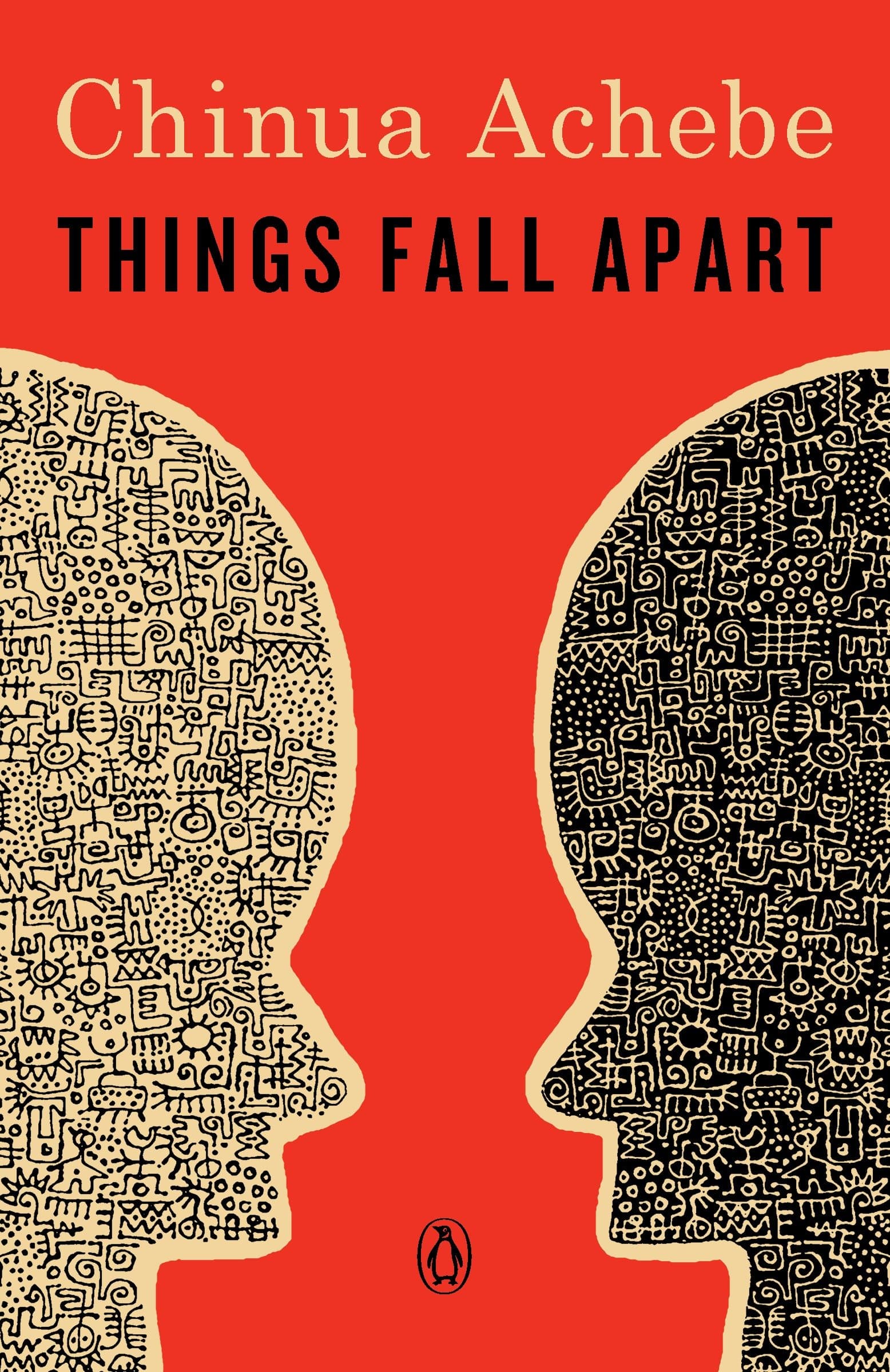
Things Fall Apart (African Trilogy, Book 1) - Kindle edition by Achebe, Chinua. Download it once and read it on your Kindle device, PC, phones or tablets. Use features like bookmarks, note taking and highlighting while reading Things Fall Apart (African Trilogy, Book 1). Review: Great book - Relatively small book (200 pages) that opens an exciting window to a world long gone and to the challenges and pains that come with changing aged long tribal social life and structure and replacing it with modern, Christian European way of life. The author did an outstanding job in portraying the daily life of Nigerian villigers, with their traditions, beliefs, customs and interactions. Some of the scenes are terrifying and heartbreaking. Some of them are thrilling and exciting. As much as we might be terrified by violent activities derived by false rooted beliefs, we can't disregard the fact that these activities prevailed in the tribes' life for generations and are accepted and implemented by the people in spite their painful and sometimes horrific consequences. There is much blessing in the modernity introduced by the British missionaries. Yet, it takes it painful toll while the tribe's traditions collapse and the some of the natives struggle against this change and refuse to accommodate to. This an eye-opening book, that is loaded with philosophical, social and human questions. No wonder it is part of the curriculum in many literature classes. Review: Good book but may be triggering to some - Achebe’s Things Fall Apart is a foundational work in modern African literature, and for good reason. The novel captures precolonial Igbo society with rare authenticity, weaving local language and customs into English prose without erasing cultural identity. I appreciated the way Achebe chose to preserve Igbo words, rituals, and traditions within the text, offering readers not only a story but also a cultural immersion that resists the flattening lens of colonial narratives. The novel’s greatest strength lies in this cultural preservation, though at times the storytelling feels weighed down by repetition. Several passages repeat similar ideas about strength, masculinity, and tradition, making them redundant rather than reinforcing. This mirrors the protagonist, Okonkwo, a deeply flawed man. His harshness, pride, and violent tendencies make him difficult to sympathize with, yet his role as a symbol of resistance to change and fear of weakness is central to the novel’s moral tension. The arrival of the Christian missionaries and the colonial administration marks a critical turning point. Achebe portrays the disruption with nuance, neither vilifying nor idealizing the Christians, but showing how their presence fractured communities and redefined power. The ending, which contrasts the tragic collapse of Okonkwo with the cold dismissal of his life by a colonial official, is chilling. It strips the protagonist of dignity and reduces an entire culture’s upheaval to a footnote, exposing the violence of cultural erasure. Despite some narrative redundancy and a protagonist who is far from likable, Things Fall Apart remains powerful, layered, and important. Its final pages echo long after the book is closed, reminding readers of both the fragility of tradition and the arrogance of colonial judgment. For these reasons, I give it four stars.


| ASIN | B004478AS4 |
| Accessibility | Learn more |
| Best Sellers Rank | #24,642 in Kindle Store ( See Top 100 in Kindle Store ) #8 in Historical African Fiction #34 in Black & African American Literary Fiction #97 in Political Fiction (Books) |
| Book 1 of 3 | African Trilogy |
| Customer Reviews | 4.3 4.3 out of 5 stars (15,030) |
| Enhanced typesetting | Enabled |
| File size | 3.5 MB |
| ISBN-13 | 978-0307743855 |
| Language | English |
| Page Flip | Enabled |
| Print length | 215 pages |
| Publication date | October 6, 2010 |
| Publisher | Penguin Books |
| Screen Reader | Supported |
| Word Wise | Enabled |
| X-Ray | Enabled |
B**Y
Great book
Relatively small book (200 pages) that opens an exciting window to a world long gone and to the challenges and pains that come with changing aged long tribal social life and structure and replacing it with modern, Christian European way of life. The author did an outstanding job in portraying the daily life of Nigerian villigers, with their traditions, beliefs, customs and interactions. Some of the scenes are terrifying and heartbreaking. Some of them are thrilling and exciting. As much as we might be terrified by violent activities derived by false rooted beliefs, we can't disregard the fact that these activities prevailed in the tribes' life for generations and are accepted and implemented by the people in spite their painful and sometimes horrific consequences. There is much blessing in the modernity introduced by the British missionaries. Yet, it takes it painful toll while the tribe's traditions collapse and the some of the natives struggle against this change and refuse to accommodate to. This an eye-opening book, that is loaded with philosophical, social and human questions. No wonder it is part of the curriculum in many literature classes.
T**T
Good book but may be triggering to some
Achebe’s Things Fall Apart is a foundational work in modern African literature, and for good reason. The novel captures precolonial Igbo society with rare authenticity, weaving local language and customs into English prose without erasing cultural identity. I appreciated the way Achebe chose to preserve Igbo words, rituals, and traditions within the text, offering readers not only a story but also a cultural immersion that resists the flattening lens of colonial narratives. The novel’s greatest strength lies in this cultural preservation, though at times the storytelling feels weighed down by repetition. Several passages repeat similar ideas about strength, masculinity, and tradition, making them redundant rather than reinforcing. This mirrors the protagonist, Okonkwo, a deeply flawed man. His harshness, pride, and violent tendencies make him difficult to sympathize with, yet his role as a symbol of resistance to change and fear of weakness is central to the novel’s moral tension. The arrival of the Christian missionaries and the colonial administration marks a critical turning point. Achebe portrays the disruption with nuance, neither vilifying nor idealizing the Christians, but showing how their presence fractured communities and redefined power. The ending, which contrasts the tragic collapse of Okonkwo with the cold dismissal of his life by a colonial official, is chilling. It strips the protagonist of dignity and reduces an entire culture’s upheaval to a footnote, exposing the violence of cultural erasure. Despite some narrative redundancy and a protagonist who is far from likable, Things Fall Apart remains powerful, layered, and important. Its final pages echo long after the book is closed, reminding readers of both the fragility of tradition and the arrogance of colonial judgment. For these reasons, I give it four stars.
T**V
From conquest to collapse
Things Fall Apart is not a Western-style hero’s journey, and approaching it as one does the novel a disservice. Okonkwo is a warrior built for a world that is already slipping away. He is not meant to be admired, but examined...a man whose identity is forged in fear: fear of weakness, fear of softness, fear of becoming his father. In trying to outrun that legacy, he ultimately confronts the same failures from a different angle, particularly in his relationship with his son. Achebe is less interested in individual triumph or moral clarity than in documenting collapse. This is an interior look at how a society, religion, and cultural order erode under the weight of their own contradictions while being stealthily undermined by colonial influence. There is no clear villain, no cathartic resolution—only accumulation, fracture, and inevitability. The novel feels closer in spirit to the work of Le Guin than to modern epic fantasy. Events do not linger or announce their importance; they simply occur, much like colonialism itself did in real time. Achebe’s restraint is deliberate. The absence of narrative comfort mirrors the historical reality he’s depicting. This is not a slow burn, nor an emotional spectacle. It is a quiet, unsparing study of rigidity versus adaptability...and the cost of refusing to change when the world already has.
K**N
I read it on Kindle. It is a Fantastic novel. I was amazed by the writing. The story too is superb.
M**A
Good
M**R
Ein wirklich starker Roman, zurecht ein absoluter Klassiker der postkolonialen afrikanischen Literatur!
S**I
I really like this novel. It shows a different perspective about colonization in the eyes of the colonized.
A**H
Good.
TrustPilot
2 周前
2 周前