We remain fully operational. Our teams are working around the clock to ensure your deliveries continue safely.

下载应用程序


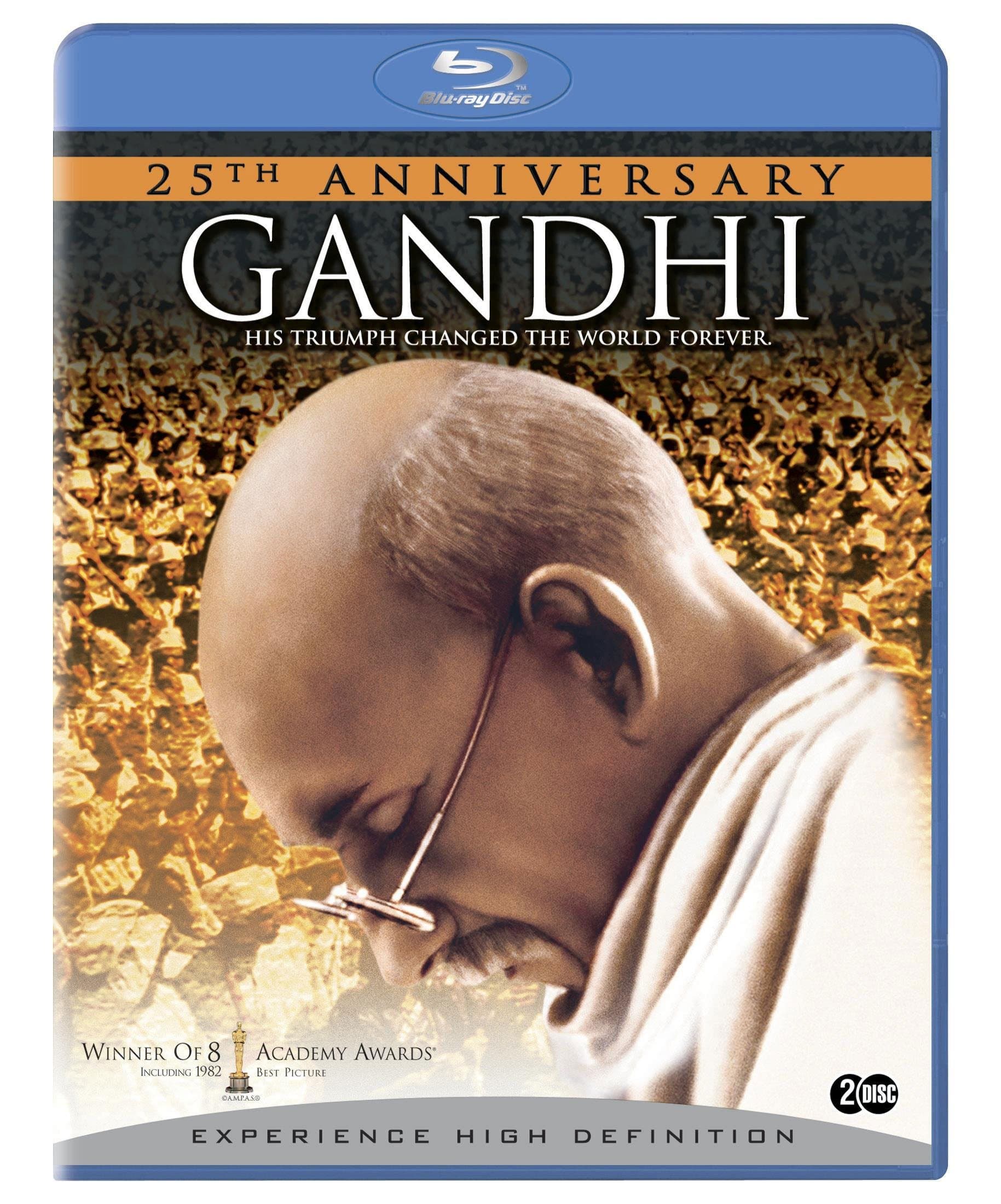
Sir Richard Attenborough's sweeping biography of Mohandas Gandhi, who rose from simple lawyer to worldwide symbol of peace and understanding. Gandhi earned eight Academy Awards® including Best Picture, Best Director and Best Actor. Review: Gandhi film review - Gandhi provided a refreshing, informative narration of Mohandas Gandhi’s life and accomplishments. Many of the events and occurrences during the film, as well as Gandhi’s life, I was completely unaware of. The film surprisingly begins with the tragic, inevitable ending to Gandhi’s life, which was his assassination. The audience then begins their journey following Gandhi’s defining movements and successes, as well as his many struggles. Gandhi, as a younger, naïve man, is shown traveling to South Africa on a train, which he is abruptly ejected from solely based upon his ethnicity and for sitting in first-class. Gandhi realized how biased the prejudiced laws towards Indian minorities were and began a campaign towards achieving these basic rights. Gandhi adamantly spoke to his fellow Indians regarding their non-violent stance, even in the face of physical harm. Throughout several demonstrations, Gandhi and many followers, including a large number of Indian miners, were arrested. It was following unflattering global media coverage that Gandhi and the South African Indian population were awarded several equal concessions. After his release from the South African prison camp, following this victory, Gandhi returns to India with warm greeting from the populace. After some persuasion, Gandhi agrees to assist with the fight for independence from British rule in India. Gandhi speaks at several rallies and outlines his goal for non-violent, non-cooperation against the British. There were many marches and demonstrations held by the Indian general public, much to the British’s dismay. Indians were even encouraged to cease their purchase of British-made clothes and burn any existing British clothing they may have. The fight for independence was extremely difficult and faced many challenges, including the murder of innocent men, women and children by the British soldiers during a peaceful demonstration. Gandhi was even imprisoned on several occasions for a range of supposed infractions. Some of the demonstrators grew wary of the violence and would strike back in kind. In return, Gandhi vowed to fast, even if he died as a result, until the protestor violence had ended, which it did for a time. Gandhi organized a march to the sea to signify Indians’ rights to their own natural salt resources, without British taxation. Many Indians joined Gandhi’s lead by selling and purchasing Indian salt, in lieu of the British options. Gandhi and his wife were yet again imprisoned for their demonstrations and speeches, but unfortunately his wife did not survive the last imprisonment. After successfully gaining the world’s attention, once again, there were discussions to facilitate India’s independence from British rule. Eventually it was decided to split India into two countries, due to Muslim and Hindu violence. Even this decision held its own rebuffs, as fighting erupted between the two groups at the borders. Gandhi vowed to fast until death or until the violence was completely eradicated amongst the groups. Violence did eventually cease and Gandhi began planning a risky visit to Pakistan. Unfortunately, as we know from history and the beginning of the film, Gandhi was assassinated shortly after ending his fast. The assassination was coordinated by those opposed to Gandhi’s multi-faith inclusion and perceived “Muslim tolerance.” According to Invitation to World Religions Gandhi was a Hindu follower yet denounced certain of its beliefs and practices (p. 126). He was firmly opposed to the Hindu caste system and campaigned for the “untouchables” to be referred to as the “Children of God.” Gandhi diligently worked against these caste stereotypes to gain further respect for these individuals. He was also a proponent of women’s rights and their improved status. Gandhi believed in the “universality and truth of all religions and sought throughout his life to reconcile Hinduism and Islam” (Invitation to World Religions, p. 126). Unfortunately, his executioner was a Hindu nationalist that disagreed with these views. Overall this movie was extremely informative and worth the view. It is astonishing to see one man’s determination, kindness and fortitude change the face of the world for the better. Review: Inspirational!! - This was an extremely inspirational movie! It was amazing to see how much strength and courage in one person could cause so much change for so many people. The movie began with Gandhi's assassination in 1948 and the funeral service and then goes back in time to when he was an attorney in South Africa in 1893. During this time he realizes how bad Indian people are being treated in South Africa due to racial discrimination and begins his non-violent protests to gain some rights for the Indian people in Africa. After his success there he returns to India where he continues his non-violent, non-cooperation campaign there against the British Empire. The British government controls everything and the Indian people are treated very poorly in their own land. Millions of Indian people follow Gandhi's campaign against the British, but problems begin to occur such as protestors being killed. Gandhi eventually tries to stop the campaign by fasting until everyone stops protesting so no one else will be killed. Gandhi spends time in jail and protesting eventually begins again. The British is eventually pushed to the point that they grant India independence. Unfortunately after all of his work gaining rights for Indians in South Africa and being such a leader in gaining India's independence from the British things were still unsettled in India. The end of the movie was about the war between religions. The Muslims and the Hindus began fighting and killing each other. Gandhi again refuses to eat until the fighting stops. Eventually it does, but India becomes separated into two nations: India and Pakistan. He spends his last days continually trying to bring peace between the two nations and religions. In the end the movie comes around to the beginning where he is shot and killed by one of his own. This movie relates to world religions by showing what religious tensions can cause. Gandhi went through all those struggles to bring his people out of the pain and suffering they were experiencing under other governments due to racial inequality, oppression, etc. Then they turn on each other because they believed in religious inequality. We see this all over the world in all nations just maybe not to this extreme. Gandhi's belief was that all people can live together regardless of our race, gender, religion, caste, etc. Instead of people wasting so much time being prejudice and hating they need to take the time to learn about others and their way of life. This is a wonderful movie. It could be a great learning tool and inspiration to all.
| ASIN | B001MVYUPC |
| Actors | Ben Kingsley, Candice Bergen, Edward Fox, John Gielgud, Trevor Howard |
| Aspect Ratio | 2.35:1 |
| Best Sellers Rank | #53,948 in Movies & TV ( See Top 100 in Movies & TV ) #4,354 in Drama Blu-ray Discs |
| Customer Reviews | 4.7 4.7 out of 5 stars (4,715) |
| Director | Richard Attenborough |
| Dubbed: | French, Portuguese, Spanish |
| Is Discontinued By Manufacturer | No |
| MPAA rating | PG (Parental Guidance Suggested) |
| Media Format | Subtitled |
| Number of discs | 2 |
| Producers | Richard Attenborough |
| Product Dimensions | 6.75 x 5.25 x 0.4 inches; 3.52 ounces |
| Release date | February 17, 2009 |
| Run time | 3 hours and 8 minutes |
| Studio | Sony Pictures Home Entertainment |
| Subtitles: | Arabic, Dutch, English, French, Portuguese, Spanish |
J**N
Gandhi film review
Gandhi provided a refreshing, informative narration of Mohandas Gandhi’s life and accomplishments. Many of the events and occurrences during the film, as well as Gandhi’s life, I was completely unaware of. The film surprisingly begins with the tragic, inevitable ending to Gandhi’s life, which was his assassination. The audience then begins their journey following Gandhi’s defining movements and successes, as well as his many struggles. Gandhi, as a younger, naïve man, is shown traveling to South Africa on a train, which he is abruptly ejected from solely based upon his ethnicity and for sitting in first-class. Gandhi realized how biased the prejudiced laws towards Indian minorities were and began a campaign towards achieving these basic rights. Gandhi adamantly spoke to his fellow Indians regarding their non-violent stance, even in the face of physical harm. Throughout several demonstrations, Gandhi and many followers, including a large number of Indian miners, were arrested. It was following unflattering global media coverage that Gandhi and the South African Indian population were awarded several equal concessions. After his release from the South African prison camp, following this victory, Gandhi returns to India with warm greeting from the populace. After some persuasion, Gandhi agrees to assist with the fight for independence from British rule in India. Gandhi speaks at several rallies and outlines his goal for non-violent, non-cooperation against the British. There were many marches and demonstrations held by the Indian general public, much to the British’s dismay. Indians were even encouraged to cease their purchase of British-made clothes and burn any existing British clothing they may have. The fight for independence was extremely difficult and faced many challenges, including the murder of innocent men, women and children by the British soldiers during a peaceful demonstration. Gandhi was even imprisoned on several occasions for a range of supposed infractions. Some of the demonstrators grew wary of the violence and would strike back in kind. In return, Gandhi vowed to fast, even if he died as a result, until the protestor violence had ended, which it did for a time. Gandhi organized a march to the sea to signify Indians’ rights to their own natural salt resources, without British taxation. Many Indians joined Gandhi’s lead by selling and purchasing Indian salt, in lieu of the British options. Gandhi and his wife were yet again imprisoned for their demonstrations and speeches, but unfortunately his wife did not survive the last imprisonment. After successfully gaining the world’s attention, once again, there were discussions to facilitate India’s independence from British rule. Eventually it was decided to split India into two countries, due to Muslim and Hindu violence. Even this decision held its own rebuffs, as fighting erupted between the two groups at the borders. Gandhi vowed to fast until death or until the violence was completely eradicated amongst the groups. Violence did eventually cease and Gandhi began planning a risky visit to Pakistan. Unfortunately, as we know from history and the beginning of the film, Gandhi was assassinated shortly after ending his fast. The assassination was coordinated by those opposed to Gandhi’s multi-faith inclusion and perceived “Muslim tolerance.” According to Invitation to World Religions Gandhi was a Hindu follower yet denounced certain of its beliefs and practices (p. 126). He was firmly opposed to the Hindu caste system and campaigned for the “untouchables” to be referred to as the “Children of God.” Gandhi diligently worked against these caste stereotypes to gain further respect for these individuals. He was also a proponent of women’s rights and their improved status. Gandhi believed in the “universality and truth of all religions and sought throughout his life to reconcile Hinduism and Islam” (Invitation to World Religions, p. 126). Unfortunately, his executioner was a Hindu nationalist that disagreed with these views. Overall this movie was extremely informative and worth the view. It is astonishing to see one man’s determination, kindness and fortitude change the face of the world for the better.
A**9
Inspirational!!
This was an extremely inspirational movie! It was amazing to see how much strength and courage in one person could cause so much change for so many people. The movie began with Gandhi's assassination in 1948 and the funeral service and then goes back in time to when he was an attorney in South Africa in 1893. During this time he realizes how bad Indian people are being treated in South Africa due to racial discrimination and begins his non-violent protests to gain some rights for the Indian people in Africa. After his success there he returns to India where he continues his non-violent, non-cooperation campaign there against the British Empire. The British government controls everything and the Indian people are treated very poorly in their own land. Millions of Indian people follow Gandhi's campaign against the British, but problems begin to occur such as protestors being killed. Gandhi eventually tries to stop the campaign by fasting until everyone stops protesting so no one else will be killed. Gandhi spends time in jail and protesting eventually begins again. The British is eventually pushed to the point that they grant India independence. Unfortunately after all of his work gaining rights for Indians in South Africa and being such a leader in gaining India's independence from the British things were still unsettled in India. The end of the movie was about the war between religions. The Muslims and the Hindus began fighting and killing each other. Gandhi again refuses to eat until the fighting stops. Eventually it does, but India becomes separated into two nations: India and Pakistan. He spends his last days continually trying to bring peace between the two nations and religions. In the end the movie comes around to the beginning where he is shot and killed by one of his own. This movie relates to world religions by showing what religious tensions can cause. Gandhi went through all those struggles to bring his people out of the pain and suffering they were experiencing under other governments due to racial inequality, oppression, etc. Then they turn on each other because they believed in religious inequality. We see this all over the world in all nations just maybe not to this extreme. Gandhi's belief was that all people can live together regardless of our race, gender, religion, caste, etc. Instead of people wasting so much time being prejudice and hating they need to take the time to learn about others and their way of life. This is a wonderful movie. It could be a great learning tool and inspiration to all.
T**O
Review without Spoilers - Pros & Cons
Gandhi (1982) is a British/Indian co-production period biographical film based on the life of Mahatma Gandhi, the leader of nonviolent non-cooperative Indian independence movement against the British Empire during the 20th century. The film was directed & produced by Richard Attenborough & stars Ben Kingsley as Gandhi. The film has been praised for a historically accurate portrayal of the life of Gandhi, the Indian independence movement, & the deteriorating results of British colonisation on India. Here are the pros & cons of this film as I see it, I hope this helps you. Pros. 1. An excellent film that should be seen by everyone, regardless of one's beliefs or culture 2. Historically accurate 3. Great cinematography 4. Well edited 5. Good acting overall Cons: 1. This is a long film, so if you have a short attention span or just don't like to sit for long periods of time, you may want to watch this over two viewings, the original intermission is on this film, so that might be a good spot to do so, if you wish
V**N
Wonderful biography of a great man, but it is very violent
This is one of the best dramatic films of the decade. Mahatma Ghandi is one of the 20th century. Like Jesus Christ, Martin Luther King, Bobby Kennedy (SR!), Martin Luther King Jr., and John Lennon, Ghandi was a peaceable man who drew violence to him. Because this is a true account of his sacrificial life, you will need to know the film is very violent, and sensitive viewers may find it disturbing. Worth a watch if you can handle it.
A**A
J'ai été vraiment transportée par ce film, alors que je connais un peu Gandhi par ailleurs. Seul bémol: l'acteur qui joue le Gandhi de la jeunesse ne lui ressemble pas du tout, si bien que j'ai mis un peu de temps à entrer dans le film. Mes filles ont eu exactement la même impression, c'est donc bien que cela saute aux yeux. Ce que j'ai adoré: les répliques, les détails qui rendent le film parfaitement crédible et nous en apprennent sur ce grand homme. Le film est truffé de citations, de phrases-clés, qu'on pourrait méditer pendant des heures. En voici quelques exemples pour ne citer que celles prononcées par Gandhi: "Quand on lutte pour une juste cause, les gens jaillissent des trottoirs." "C'est notre souffrance qui leur fera comprendre leur injustice." Cette phrase est probablement ma favorite, tant l'histoire de Gandhi, sa vie ne fait que l'illustrer. Il a fait plusieurs grèves de la faim, a été en prison sans jamais renier sa cause, en assumant les conséquences de ses actes. Cette force morale est absolument consternante. En s'adressant au gouvernement britannique: "Vous êtes obligés de nous humilier pour nous contrôler." "Pour gagner l'indépendance, il faut montrer que nous en sommes dignes." "Oeil pour oeil est une règle qui finira par rendre le peuple aveugle." "La voie de la vérité et de l'amour a toujours triomphé dans ce monde." "Peu importe les livres sacrés à condition que Dieu soit aimé": Gandhi a toujours refusé la partition. Il voulait absolument qu'Hindous et Musulmans vivent ensemble. Malheureusement, encore aujourd'hui, certains semblent avoir oublié son enseignement. "Le sel de l'Inde appartient à l'Inde." (sous-entendu et non aux Britanniques) "L'indépendance va bientôt tomber d'un arbre comme une pomme mûre." "La pauvreté est la pire forme de violence." "Les tyrans et les assassins peuvent nous paraitre invincibles, mais à la fin, ils tombent toujours." A ces phrases-clés qui nourrissent l'esprit et le coeur de chacun s'ajoutent les images sublimes, la lumière qui se dégage du film. Après l'avoir visionné, on croirait avoir passé un grand moment avec cet homme, l'avoir mieux connu, avoir souffert et lutté avec lui. On l'aime encore davantage. J'ai adoré également l'explication, sous forme de parabole, racontée par Gandhi à un Hindou qui vient se plaindre des horreurs de la guerre. Je vous la laisse découvrir... Un très bel hommage à cet acteur, cet exemple de la non-violence! Mes enfants de 8 et 11 ans ont été transportés aussi. Un film également à la portée de tous...sur la justice et l'importance de se battre corps et âme pour la faire régner, sans tuer. Peu d'hommes évidemment sont capables d'une telle grandeur morale, mais il en existe quand même. Un récit encore d'actualité et à ne pas oublier si on ne veut pas encore que le monde sombre dans l'horreur.
A**R
With changing technology I've had the movie Ghandi for many years. So when we changed from VHS to DVD I didn't have the movie for a while. I ordered a 25th anniversary copy recently & have watched this epic movie 3 times. Ghandi is one of my all time favorite iconic hero of the world. Thank you Amazon.
M**I
I must have watched this so many times, every time I watch this I get goosebumps. One the person himself and then there is the way the movie has been taken. Build up of events and how it all culminates to the where the move starts from. Had ordered this movie so that my 10 year old daughter can relate to what she is reading in her textbooks. We had a great time watching this together and trying to answer her queries and clarification was really fun. I hope the move has left a lasting impression on her and more clarity on Indian Independence struggle. For a quite a lot of us, Ben Kingsley is probably how Gandhi looked. I am sure he must have lived that role to play it so well. Great movie and must have in your collection and all more if you have school going kids and want them to learn Indian Independence history, please go ahead and order this movie and you will not regret this.
G**S
100 % OK Goede verzending en besteld item beantwoorde volledig aan de beschrijving van de verkoper ( uiterst tevreden ) :-):-):-)
A**X
This is the review I would have liked before buying this blu-ray title. I was put off by the "Blu-ray/Upscale Comparison" review but wanted the disk so much I took the risk. I do not understand how that reviewer could detect "little difference" between the blu-ray and DVD versions. Upscaling cannot produce detail which is not in the video signal, only interpolate to make the picture smoother. Ghandi benefits from high definition detail in a variety of types of scene: 1) Close-ups of actors faces when delivering great performances. This movie is an epic and was a phenomenon in its time. Its 8 oscars are an indication that it wasn't just because of its historical importance - there are some great performances. High definition really brings this to life: you see every strand of hair and skin pore. The eyes and muscle tone in the face make performances utterly engaging. For example, the tension in the debriefing scene with Edward Fox after the massacre is positively palpable. 2) Wide vistas (sumptuous, colonial interiors and sweeping, panoramic exteriors) with characters in the distance. Blu-ray enables you to see the actors' performance while on DVD you just know they are there and hear them talking. 3) Complex scenes, such as the opening funeral with a crowd of 400,000 people (how do you upscale that from 720x480?), lavishly ornate colonial interiors and exteriors, and lush Indian landscapes and panoramas. I was concerned about the age of the film. The opening scene was grainy and my heart sank. However, it was shot in low-light and there's only a handful of shots in the whole 3-hour epic that suffer in this way, a record which is substantially better than films many years younger than Ghandi. Colour is superb, with the sets, costumes and beautiful use of light by Attenborough making Ghandi a visual feast. This is a wonderful movie and a stunning demonstration of what blu-ray can do. I commend it whole-heartedly to anyone with a blu-ray player.
TrustPilot
1天前
3天前