
Buy anything from 5,000+ international stores. One checkout price. No surprise fees. Join 2M+ shoppers on Desertcart.
Desertcart purchases this item on your behalf and handles shipping, customs, and support to SINGAPORE.
โ Say Less, Ask More, Lead Better โ Your Coaching Habit Starts Now!
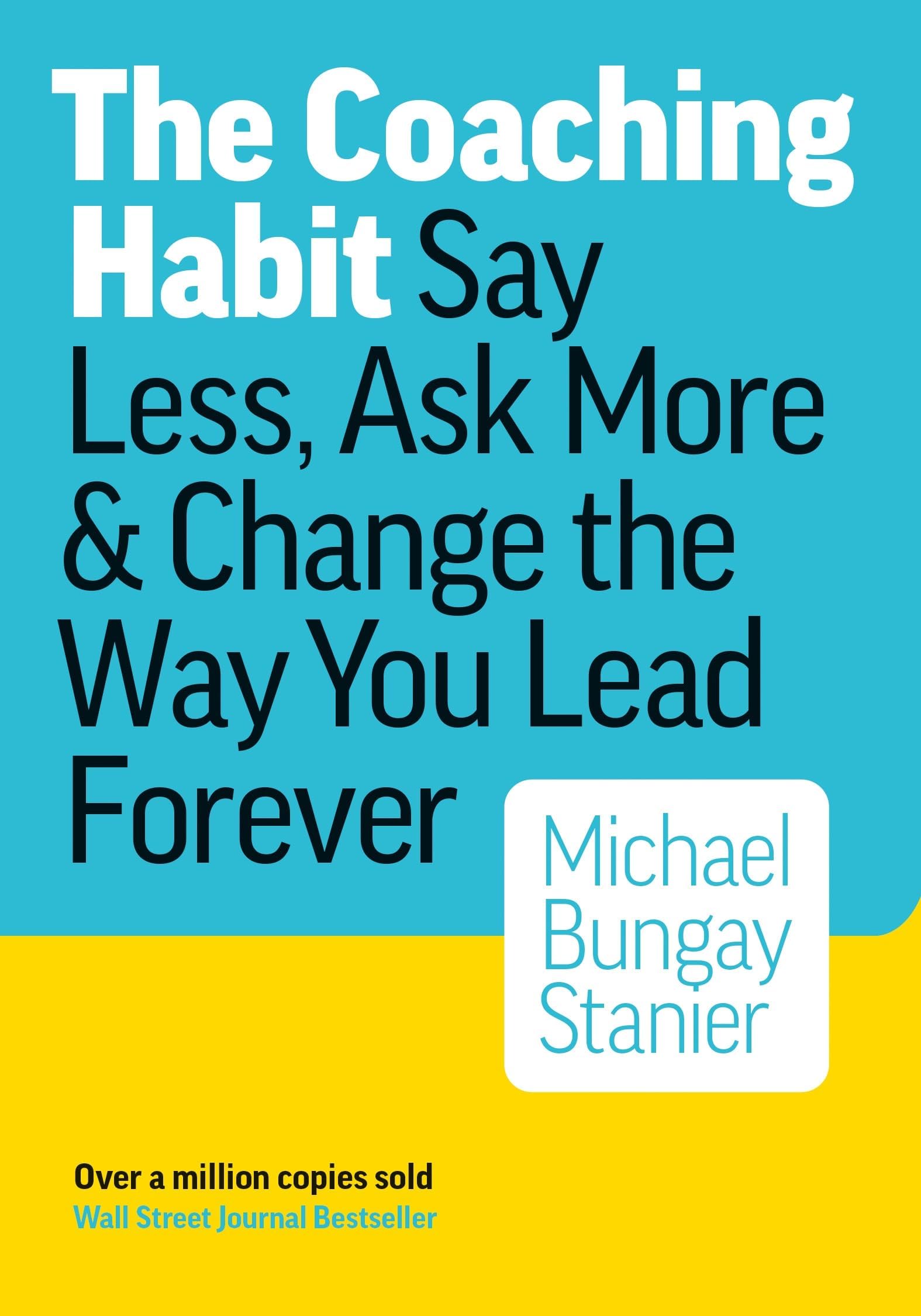
The Coaching Habit by Michael Bungay Stanier is a bestselling leadership guide that equips managers with seven essential questions to build a daily coaching habit. Published in 2016 with 244 pages of practical advice, it teaches busy professionals how to coach effectively in under 10 minutes, boosting team morale and productivity by fostering curiosity and cutting down on unsolicited advice.


| Best Sellers Rank | #563 in Books ( See Top 100 in Books ) #1 in Business Mentoring & Coaching (Books) #9 in Business Management (Books) #11 in Leadership & Motivation |
| Customer Reviews | 4.5 out of 5 stars 16,878 Reviews |
W**K
Simple (but not simplistic), Useful, and Practical
You should buy and read The Coaching Habit by Michael Bungay Stanier if youโre interested in improving your performance as a manager and your teamโs performance and morale. If youโre reading this review of a book on coaching for managers, you probably fall into one of two camps. You might be a manager whoโs already doing some coaching or youโre a manager who hasnโt made coaching part of your toolkit yet. You may already have made coaching part of the way you manage. If thatโs true. you can skip over the next section of this review and get right to why this book will be an excellent addition to the other coaching books you own. Itโs also possible because youโre interested in adding coaching to your managerโs toolkit and youโre seeking a good book to get you started. Then the next few paragraphs are for you. The benefits of coaching are pretty straightforward and well documented. A boss who coaches his or her team members effectively will have a more productive team, have higher team morale, and will have a more enjoyable work life. OK, so why arenโt you doing it already? My experience suggests that there are three possible reasons. You may think that the coaching that managers do and the coaching that sports coaches do is the same. Nope. Sports coaches do a lot of telling and donโt ask many questions. The art of the coaching manager is the art of the question. Or, you may think that the coaching that managers do and the coaching that professional executive coaches do is the same. Nope. Professional coaches are a godsend for us. But theyโre professionals with a bag full of professional tools and expertise. Coaching with them is an event that you put on your calendar. The art of the coaching manager is coaching โin the workflowโ several times a day. Thatโs why it should be a habit. Or, you may think that the coaching that managers do requires deep knowledge of psychology and coaching theory. Nope. The fact is that all the great supervisors I studied coached routinely without a bit of specialized training. Heck, my mother used to do it with me and my sister. They all asked something like: โWhy do you think that happened?โ or โWhat do you want to do?โ and then listened. It was all about conversation and part of the normal flow of life and work. Thatโs what this book is about. Ask more. Say less. Simple enough that this preacherโs boy can get it. Here are the details. Whatโs in this book? Coaching is simple. So is this book. Coaching is lean. So is this book. The first chapter is about why you need the coaching habit. The second chapter is about creating the coaching habit. Yes, habit, something you do reflexively several times every work day. The advice in this chapter is based on real science, not that nonsense about โ28 days.โ The next seven chapters are about seven questions you can ask Just seven and thatโs enough. There are โMaster Classesโ that help you ask the questions effectively. There are pointers to videos and podcasts and other helps. Still not sure? Well, thereโs good news. Check out the โLook Inside the Bookโ feature for the Kindle version of this book. That will give you the โWhyโ youโll need to judge if the book is for you Bottom Line: Five Stars If youโve already read several books on coaching, this book and the advice on habit building will be a wonderful addition to your library. If youโre trying to figure out if coaching will help you and how to get started, this is the perfect book to buy, read, and use.
J**N
The Best Coaching Question in the World
Oh, my. MEMO TO EVERY PERSON IโVE PRETENDED TO COACH OR MENTOR: Iโm so, so sorry! Honest! Hereโs why. This month I was a learner in a seminar with CEOs and board chairs. The highly energetic, wise and witty facilitator was Michael Bungay Stanier, the author of the hot-off-the-press book, โThe Coaching Habit.โ At a coffee break, halfway through the three-hour, how-to-coach practicum, I told Stanier thatโalreadyโthe seminar was on my Top-10 list of best workshops ever attended (and Iโve attended my fair share). Hereโs why I gave it a 10: Three memorable points on coaching: --BE LAZY: Stop working so hard. --BE CURIOUS: Stop giving so much advice. --BE OFTEN: Stop waiting to coach. And howโs this for role reversal? Iโm usually reading snippets from books to my wife. She picked this up first and is still readingโand reminding meโon what effective coaching looks like, especially the โstop giving so much adviceโ poke-in-the-ribs. Ouch. Stanier notes that โHarland Howard said every great country song has three chords and the truth. This book gives you seven questions and the tools to make them an everyday way to work less hard and have more impact.โ The seven essential questions: --The Kickstart Question --The AWE Question --The Focus Question --The Foundation Question --The Lazy Question --The Strategic Question --The Learning Question Stanier says the best coaching question in the world is the AWE question: โAnd What Else?โ In a four-minute drill with another board chair, I was instructed to ask four questions displayed on the seminar room screen. Stanier says โthe first answer someone gives you is almost never the only answer, and itโs rarely the best answer,โ so the AWE question is the perfect follow-up. --Q1: Whatโs the real challenge here for you? --Q2: And what else? --Q3: And what else? --Q4: So whatโs the real challenge here for you? In just four minutesโit was almost magical. I stuck to the bargain (whewโvery hard) and just asked questions of my board chair partner. He responded to each questionโand increasingly, in response to โAnd what else?โ he dug deeper and deeper andโBINGO!โanswered his own question and solved his own challenge. Where was this book when I was pretending to coach team members, clients, my son, my grandkids, and many, many others? Yikes! Iโve underlined gems on almost every page: --Although coaching is listed as one of the six essential leadership styles in Daniel Golemanโs article, โLeadership That Gets Resultsโ (a Harvard Business Review classic), โit was the least-used leadership style.โ --โYou can build a coaching habitโ and โYou can coach someone in ten minutes or less. And in todayโs busy world, you have to be able to coach in ten minutes or less.โ --โCoaching should be a daily, informal act, not an occasional, formal โItโs Coaching Time!โ event.โ Stanierโs humor sneaks up on you! As you embark on what he calls the โcoaching habit,โ he suggests you start somewhere easy: โIf youโre going to manage someone differently, pick someone who might be up for it and is willing to cut you some slack. Or pick someone with whom itโs all going so badly that youโve got nothing left to lose.โ ANOTHER AHA! The author says thereโs a huge difference between coaching for performanceโand coaching for development. โCall them forward to learn, improve and grow, rather than to just get something sorted out.โ A gargantuan fan of questionsโversus answersโhe quotes Nancy Willard: โAnswers are closed rooms; and questions are open doors that invite us in.โ โCUT THE INTRO AND ASK THE QUESTIONโ is another shot over the bow. He notes, โNo James Bond movie starts off slowly. Pow! Within 10 seconds youโre into the action, the adrenaline has jacked and the heart is beating fasterโโso โcut the preliminary flim-flamโ in your coaching process. In 72-point font on page 52, Stanier shouts: โIf you know what question to ask, get to the point and ask it.โ TAME THE ADVICE MONSTER! โWeโve all got a deeply ingrained habit of slipping into the advice-giver/expert/answer-it/solve-it/fix-it mode.โ (One study revealed that doctors interrupt patients with advice within 18 seconds. Ditto, perhaps, the rest of us.) Slow down and take a breath, says Stanier. โEven though we donโt really know what the issue is, weโre quite sure weโve got the answer they need.โ VP OF BOTTLENECKING. If your employee name badge should read โVP of Bottlenecking,โ you must read this book. These seven essential coaching questions will help you coach others, and as Stanier perceptively writes, โFocus on the real problem, not the first problem.โ There are dozens and dozens of more gems in this fresh, easy-to-read format (plus almost 50 full-page quotationsโall PowerPoint-worthy). I just ordered eight books for colleagues who are coaching boards and CEOs this year.
B**T
My honest review of the book by Michael Bungay Stanier. The Coaching Habit
The Coaching Habit" by Michael Bungay Stanier is a must-read for anyone in a leadership role because it teaches you how to stop giving advice and start asking powerful questions instead. The book is incredibly practical, offering seven essential questions that help you get to the heart of any challenge without taking over the work yourself. Itโs written in a very punchy, easy-to-digest style that helps you break the habit of "over-leading" so you can empower your team to solve their own problems and grow.
J**P
Transformative Guide to Effective Leadership!
Iโve owned "The Coaching Habit" for over a year now, and I can confidently say it has revolutionized my approach to leadership. Michael Bungay Stanier offers practical, actionable advice that has made a significant difference in my coaching style. The seven essential questions laid out in the book are game-changersโthey not only encourage deeper conversations but also empower my team to think critically and independently. What I love most is the focus on simplicity and clarity. Stanierโs engaging writing style makes it easy to understand and implement the concepts, even for someone who may not consider themselves a natural coach. The emphasis on asking questions rather than providing answers has allowed me to foster a culture of growth and exploration within my team. In the past year, Iโve noticed a marked improvement in team dynamics and individual accountability. This book isnโt just a read; itโs a toolkit for lasting change. I highly recommend "The Coaching Habit" to anyone looking to enhance their leadership skills and create a more engaged and empowered team. Five stars all the way!
E**I
Great read and helpful
Easy read and very comprehensive. Having a personal experience managing, I really identified with a Lot of the author's insights.
A**B
Good Questions Given But Did Not Have Enough For a Whole Book
Good insights and questions but the book is a bit redundant and full of spaces to answer questions and large text.
L**R
So much better!
The Coaching Habit transformed the way I show up for my clients. I coach teachers, and to say they are limited on time is a huge understatement. While most are excited about the opportunity to grow, they donโt want to spend hours of their time sitting with me when they could be planning, tutoring, making copies, or mentally preparing for the next class. The Coaching Habit gave me the tools - and the permission - to meet my clients where they are and coach in the moment and get to the core. Thank you, MBS, for making me a much better coach!
M**.
Great tips for anyone who wants to coach, lead, or manage others.
I picked this up in anticipation of adding a coaching service to my editorial business. I dropped one star due to the fact that some of it felt a bit repetitive, although I believe this was intentional to drill the lesson home. This book is more geared toward managing subordinates or employees, but it still had a lot of great tips and advice in it for anyone who wants to coach, manage, or lead others. The biggest lesson here is to slow down on giving advice and instead ask prompting questions and listen as your coachee comes up with a solution on their own. While this may feel like the lazy way to coach, it actually does both of you a greater favor in teaching them to problem-solve on their own and be more effective in growing and achieving their desired results. Another part I found particularly fascinating was learning about the drama triangle, how we play all three roles at different times, and how to get out of it quicker.
K**N
Exactly the book on coaching I've been hoping for
I've had this book since late 2017 and I'm halfway through reading it. I only wish I'd read it much sooner! I bought it at a time when I had plans to start some kind of coaching programme for clients of my accounting firm, but with no formal coaching skills or training I didn't know where to start. As it turns out, I spent 2018 laying the foundations in my firm for all other services which would free up my time to get into coaching. Now, in 2019, I am venturing into coaching with clients and other accountants and this book is exactly what I needed to face my challenge, to build a structure around coaching sessions and to give my clients clarity on how coaching works and what can be achieved if they commit to the structure of the programme. An excellent, easy and practical read and suitable for anyone who wants to get into coaching themselves or others, or for managers looking to adopt a coaching habit with their team. Highly recommend! Michael breaks down 7 critical coaching questions that will revolutionise the way you engage with your peers and those you currently manage (but will soon be coaching!) It doesnโt just span your working life, but Iโve found it has helped in my personal life too; e.g., when a friend confides in me and is looking for help or a sounding board. The book is really quick to read. Itโs concise enough that I didnโt find myself thinking, โyeah, yeah, Iโve got the reason why now get to how I improve in area xโ yet it gave me enough that I felt I could go out and practice with it. One would have to be blind not to see the power in what is being said and in an era where there is enough momentum to confine โCommand and controlโ style leadership to the 80โs where it belongs, this book couldnโt be more timely.
A**N
Coaching
A great book, however, I still think the GROW model is more relevant. This book was talking more about the conversation techniques - and also loved how he inserted Karpman Drama Triangle which could happen during coaching, yet the solution was missing in the book i.e. The Empowerment Dynamic (TED) by David Emerald.
Y**A
Great book
Great book to read in leisure time
S**A
Lettura scorrevole e contenuti di alto valore
Non trovando l'edizione italiana ho acquistato quella in inglese, anche per esercitarmi. Lo trovo un testo molto utile, pratico e l'autore รจ molto divertente. Facile da leggere ed efficace.
A**R
Clear concise relatable explanations on coaching concepts.
Love it! Highly recommended for managers or people keen on acquiring coaching knowledge and put effective coaching into practice.
Trustpilot
1 month ago
4 days ago