We remain fully operational. Our teams are working around the clock to ensure your deliveries continue safely.

下载应用程序


Buy anything from 5,000+ international stores. One checkout price. No surprise fees. Join 2M+ shoppers on Desertcart.
Desertcart purchases this item on your behalf and handles shipping, customs, and support to SINGAPORE.
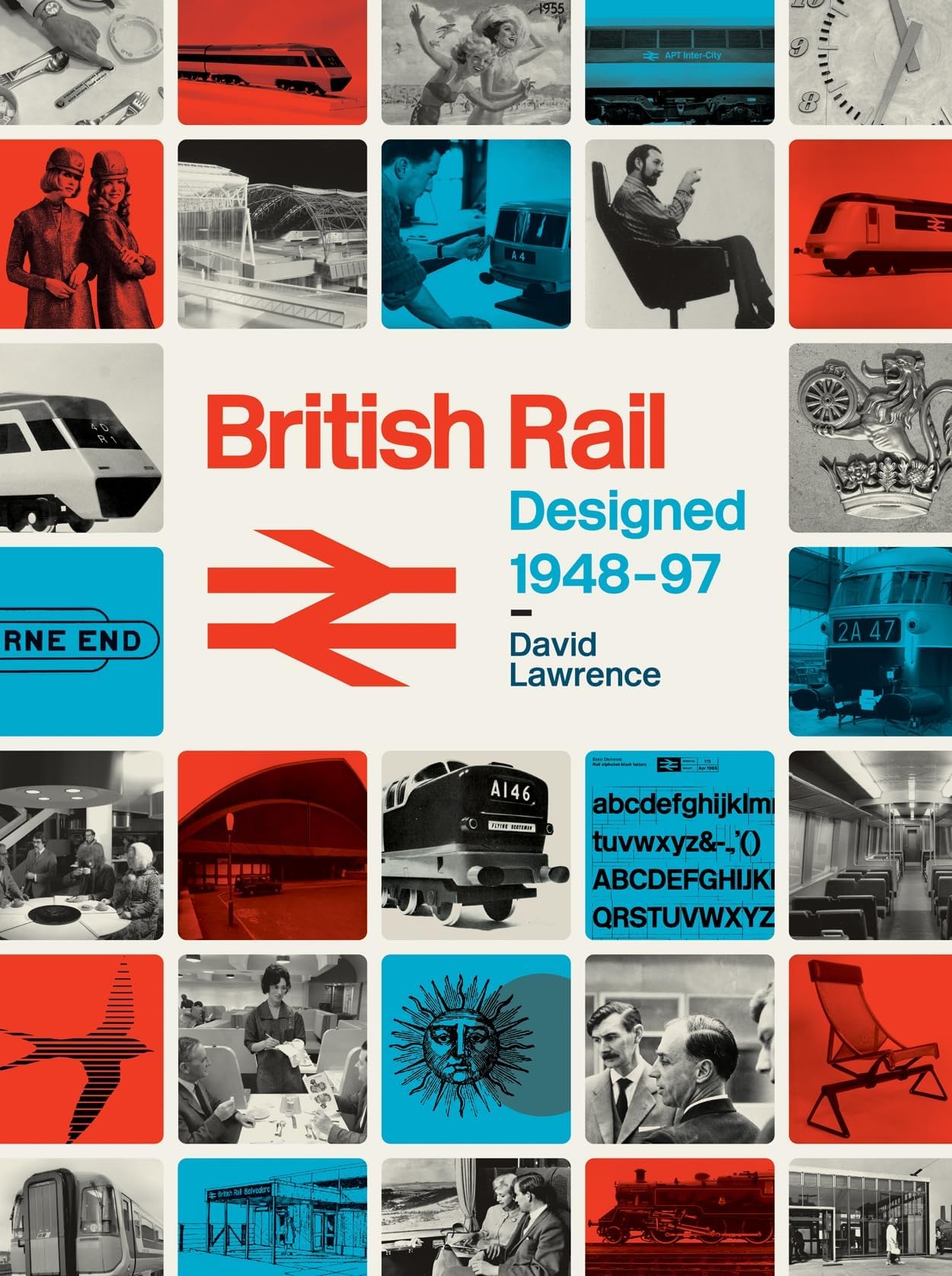
Buy British Rail Designed 1948-97 by Lawrence, David (ISBN: 9780711038370) from desertcart's Book Store. Everyday low prices and free delivery on eligible orders. Review: Buy it, encyclopaedia of British Rail really - Nice easy read, plenty of info but concise and to the point. Plenty of photos that cover pretty much everything. The research behind it is first rate, names of the designers and even what they designed, right down to the ash trays and seat colours. Well worth getting. Review: Meticulous and fascinating - This is a well illustrated history of the history of design on Britain's railways from nationalisation to privatisation. It is methodical and well structured taking a chronological and themed approach covering everything from typefaces, logos, signage publicity material on the one hand to the design of stations, locomotives and rolling stock on the other. The choice of illustrations is comprehensive and well reproduced, many of which I had not seen before. This is a book that you can flick through and enjoy the illustrations as well as providing a more thorough read. The reader is left with a sense of order and control relating to all design components of British Railways lasting into the 1980s. Worth every penny.
| Best Sellers Rank | 157,759 in Books ( See Top 100 in Books ) 331 in Railway Transport 895 in Sales & Marketing 1,583 in Business Development & Entrepreneurship (Books) |
| Customer reviews | 4.7 4.7 out of 5 stars (110) |
| Dimensions | 21.5 x 2.2 x 28.6 cm |
| ISBN-10 | 0711038376 |
| ISBN-13 | 978-0711038370 |
| Item weight | 1.39 kg |
| Language | English |
| Print length | 272 pages |
| Publication date | 10 Nov. 2016 |
| Publisher | Ian Allan Publishing |
E**E
Buy it, encyclopaedia of British Rail really
Nice easy read, plenty of info but concise and to the point. Plenty of photos that cover pretty much everything. The research behind it is first rate, names of the designers and even what they designed, right down to the ash trays and seat colours. Well worth getting.
S**S
Meticulous and fascinating
This is a well illustrated history of the history of design on Britain's railways from nationalisation to privatisation. It is methodical and well structured taking a chronological and themed approach covering everything from typefaces, logos, signage publicity material on the one hand to the design of stations, locomotives and rolling stock on the other. The choice of illustrations is comprehensive and well reproduced, many of which I had not seen before. This is a book that you can flick through and enjoy the illustrations as well as providing a more thorough read. The reader is left with a sense of order and control relating to all design components of British Railways lasting into the 1980s. Worth every penny.
J**Y
Excellent and abundantly illustrated survey of BR's long engagement with ...
Excellent and abundantly illustrated survey of BR's long engagement with design, a 'hit & miss' saga, rather like its handling of motive power development. The author tends to leave judgements to the reader, a few more roses and brickbats would have been welcome. But the full record is here, and the names of many designers not generally known to railway readers..
N**E
Less about trains and more about the complete railway and the process of design
This is not, as I had expected, an updated and expanded version of Brian Haresnape's epic British Rail: A Journey by Design. It is wholly new in both content and style of presentation. Typeset appropriately in Rail Alphabet in a two-column layout with wide line spacing, the style is both attractive and easy on the eye. Photo selection and reproduction is less appealing. The former is, of course, highly subjective, but I did not find the double-page spreads of architectural features of particular interest. Most (if not all) of the monochrome images have been reproduced with a sepia-like tint, which may suit 1950s views but hardly seems appropriate to later periods. Some of the colour views seem rather muddy and lacking in detail; I have certainly seem many of them reproduced to a higher quality elsewhere. The juxtaposition of text and pictures sometimes made it difficult to correlate one with the other when dealing with unfamiliar subjects; and some subjects, such as the Eurostar and Euroshuttle trains, were discussed but not illustrated at all. These reservations aside, the book is very informative and well written in a lively and engaging style. It is very broad-ranging and, whilst the locomotives and rolling stock receive appropriate coverage, it is less about the trains and more about the complete railway and the process of design. Indeed, it may appeal more to designers and general readers than railway enthusiasts.*
P**K
When BR was a leading light in industrial design
David Lawrence provides an excellent overview of BR design from nationalisation through to privatisation. BR was at the leading edge in providing a holistic approach to it's design and branding, from mighty locomotives to the humble throw-away timetable leaflet. It's good that the author acknowledges the pioneering work of the late Brian Haresnape in writing about this subject. I found the book fascinating, with a clear narrative running from the regional colours established by the Railway Executive, to the corporate Rail Blue and Grey of the British Railways Board and into the sectorisation of the 1980s. One or two niggles. Many of the colour images are too small and some poorly reproduced. Also some typos, eg the coach illustrated at the foot of p.226 is a Mk3, not a Mk4. However, these don't take away from the value of this work as a whole. Certainly one to be recommended.
J**J
Five Stars
Outstanding book, well researched and documented, many interesting pictures. A must for people interested in U.K. railways network.
M**N
wonderful book
gives a great insight into the corparate world
C**H
beautiful book
Not only for the railway enthusiast but for everybody interested in the development of industrial design. Besides that: Very fast shipping to Switzerland!
TrustPilot
1 周前
1 个月前