We remain fully operational. Our teams are working around the clock to ensure your deliveries continue safely.

下载应用程序



Buy anything from 5,000+ international stores. One checkout price. No surprise fees. Join 2M+ shoppers on Desertcart.
Desertcart purchases this item on your behalf and handles shipping, customs, and support to SINGAPORE.
🚀 Elevate your Pi vision with pro-grade clarity and control!
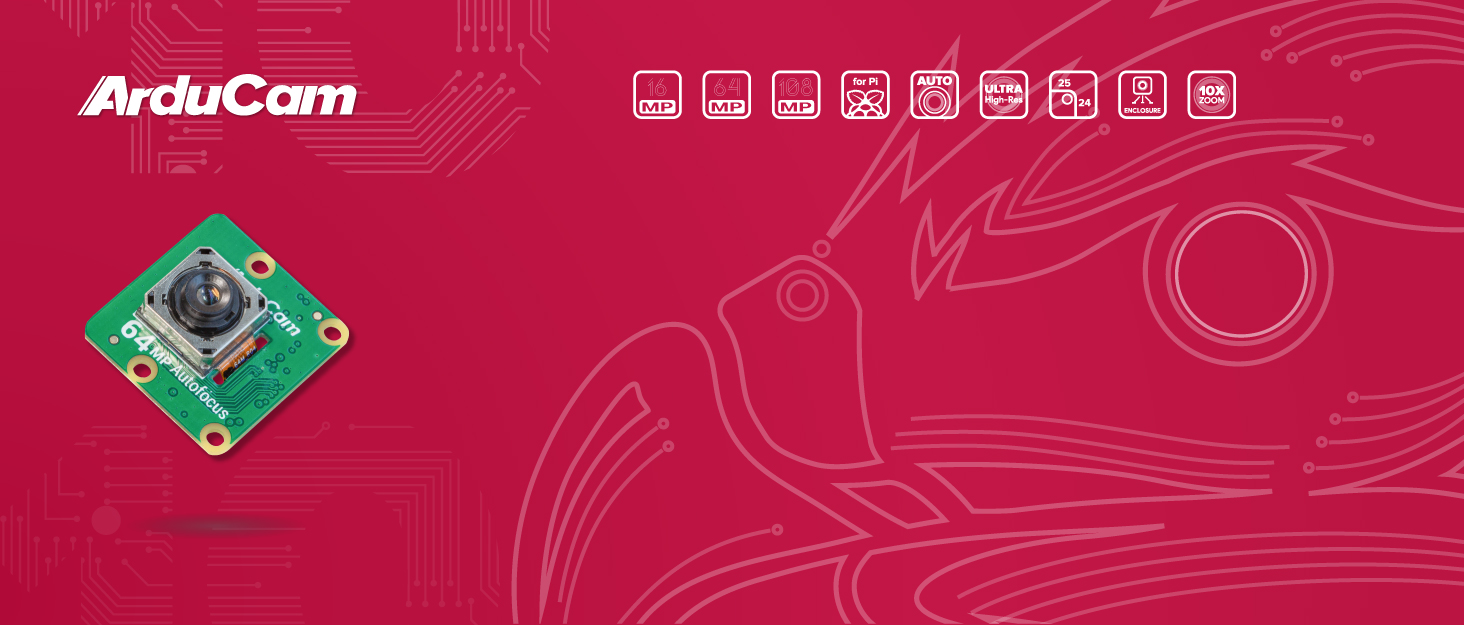
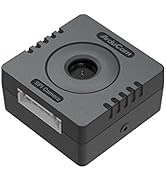
The Arducam HQ Camera for Raspberry Pi features a 12.3MP Sony IMX477 sensor delivering 4056x3040 resolution and superior low-light performance with 50% larger pixel area. Compatible with C- and CS-mount lenses, it supports Raspberry Pi 4/3/3B+/Zero 2W models and includes a tripod mount for versatile use. While setup requires configuration tweaks, it offers a significant upgrade over the standard Pi Camera Module V2 for professional-grade imaging.






| ASIN | B09YHN5DBY |
| Best Sellers Rank | 158,663 in Computers & Accessories ( See Top 100 in Computers & Accessories ) 1,010 in Webcams |
| Box Contents | 1 x 12.3MP Camera Board with C-CS Adapter and Tripod Mount 1 x 80mm/3.15inch 22pin camera cable for pi Zero&W 1 x 150mm/6inch 15pin to 22pin camera cable for pi A&B series |
| Brand Name | Arducam |
| Compatible Devices | Raspberry Pi 1, Raspberry Pi 2, Raspberry Pi 3, Raspberry Pi 4, Raspberry Pi Zero, Raspberry Pi Zero 2W |
| Customer Reviews | 3.6 3.6 out of 5 stars (43) |
| Item Dimensions L x W x H | 38L x 38W x 18H millimetres |
| Manufacturer | Arducam |
| Model Name | Arducam for Raspberry Pi High Quality Camera |
| Network Connectivity Technology | VGA |
| Operating System | Linux |
| Processor Brand | ARM |
| Processor Count | 1 |
| Product Warranty | 6 months |
| RAM Memory Technology | LPDDR2 |
| Total USB Ports | 4 |
| Wireless Compability | Infrared |
C**N
le logicielle libcamera pour IMX477 qu'on dois utiliser pour Raspberry Pi est instable, pour prendre quelque photo c'est OK, mais prendre plusieurs sans arrêt ou une longe vidéo: le logicielle fige ou plante (intermittences; minute ou plusieurs heures), probablement le concepteur de libcamera vas un jours corriger le problème.
J**L
When I got this HiQ camera it would not work though I tried it with several different pi boards. I gave up and gave it a bad review. Fast forward, the seller contacted me and showed me the error of my ways, gave me the magic settings you have to make in a config file. After that the camera connected and works fine. If you buy this, be aware that it is not plug and play like a regular picam. You must change settings. If you have issues the seller will help you resolve them.
P**5
Connected to a Raspberry Pi 3b+ and a 4b fresh install of raspberry OS bookworm.. Didn't work on either device.. double checked to make sure that the ribbon cable was correctly installed, and libcamera kept on saying *** no cameras available *** Per the product description this camera should have worked right out of the box.. Yeah, Sorry, but that a Big NO.. what a POS
L**G
I used on my rasp with octoprint and it didn’t work well at all, the camera it self with raspbian does work great.
J**C
Purchased this as an afordable alternative to the Raspberry Pi brand HQ Camera, Arducam's 16mm telephoto lens, and a generic 1/4-20 tripod. The camera works by changing 2 lines in the boot config file for RaspiOS. Go to camera documentation on the Raspberry Pi website for complete instructions, but essentially changing "camera_auto_detect=1", from 1 to 0, and adding a line beneath "dtoverlay=IMX477". The actual file is different between Bookworm and Bullseye. This camera works successfully for higher quality photos and as streaming security camera, using a Raspberry Pi Zero 2W, 3B+, and with a RPi 4. I have not tried it with the original Zero. The more powerful the Pi the quicker the image is processed, and less frame drops when streaming. To first configure the lens properly, it is helpful to have the Pi hooked up to a monitor. Then once physically it can be used headlessly. For the Arducam lens the proceedure involved using the C-CS adapter, setting the apateur to the lowest setting, adjusting the near-far setting to the most sharpest image (it will still be fuzzy), then rotating the whole lens assembly as if to remove it, but stopping only when the camera is in perfect focus. Then tighten the locking screw. Other lenses may be different. Some other lenses appear to have a bezel for adjustment, some it is manually screwing in or out the whole lens assembly as described above. Depending on application, I found it helpful to purchase longer cables if not using a camera lens to Pi mounting plate. (Not supplied with camera).