We remain fully operational. Our teams are working around the clock to ensure your deliveries continue safely.

下载应用程序


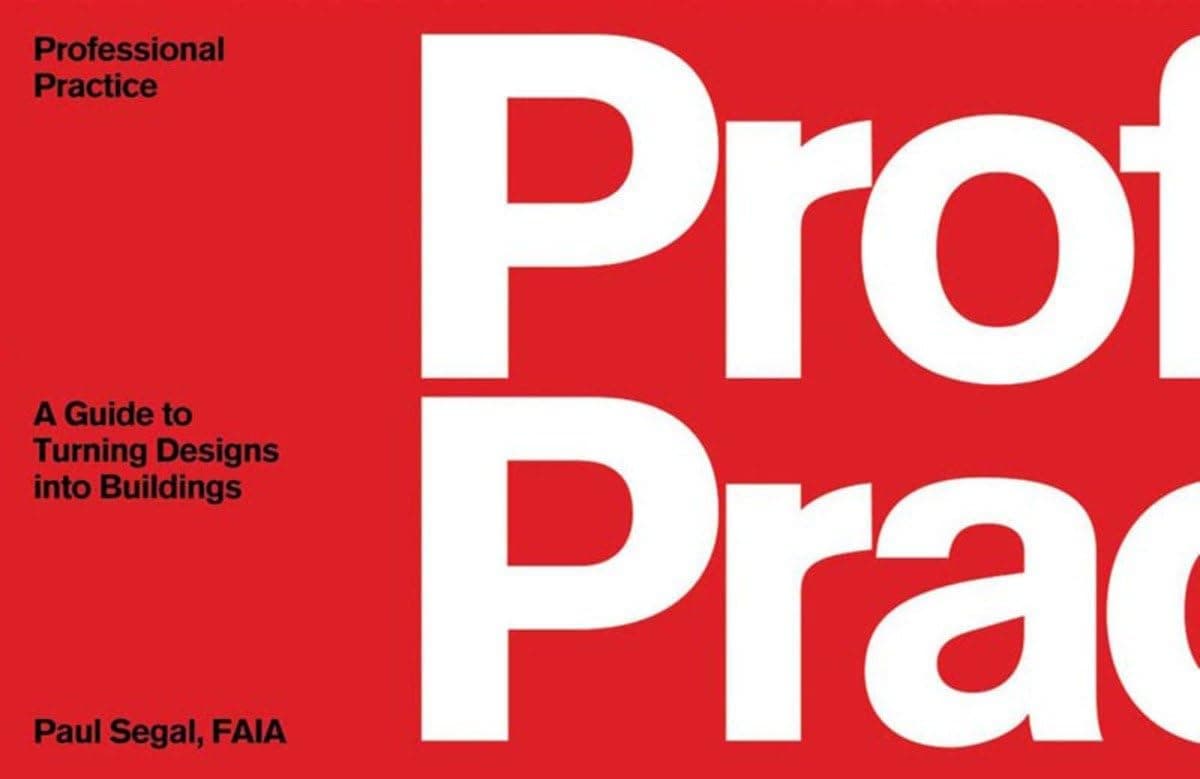
Professional Practice: A Guide to Turning Designs into Buildings [Segal, Paul] on desertcart.com. *FREE* shipping on qualifying offers. Professional Practice: A Guide to Turning Designs into Buildings Review: YOU NEED IT IF YOU’RE STUDYING FOR THE ARE - Great book! Really useful for the AREs Review: Great overview for students & young professionals - I am finishing up school and entering the career and it described the fundamentals to all aspects of the profession. Very easy and enjoyable to read!
| Best Sellers Rank | #62,407 in Books ( See Top 100 in Books ) #4 in Architecture Project Planning & Management #14 in Architecture Reference (Books) |
| Customer Reviews | 4.7 4.7 out of 5 stars (307) |
| Dimensions | 9 x 0.4 x 6 inches |
| Edition | Illustrated |
| ISBN-10 | 0393731804 |
| ISBN-13 | 978-0393731804 |
| Item Weight | 11.2 ounces |
| Language | English |
| Print length | 144 pages |
| Publication date | March 17, 2006 |
| Publisher | W. W. Norton & Company |
K**A
YOU NEED IT IF YOU’RE STUDYING FOR THE ARE
Great book! Really useful for the AREs
M**A
Great overview for students & young professionals
I am finishing up school and entering the career and it described the fundamentals to all aspects of the profession. Very easy and enjoyable to read!
C**O
Great book for ARE study materials and aspiring architects
I very much enjoyed Paul's clear and concise pro practice guide. It works perfectly to compliment more technical and difficult ARE study materials. Lots of helpful examples given. Packed with information. Thanks Paul, wonderful read.
B**Y
Let them Eat Cake
This book was very helpful for understanding many of the legal issues which an aspiring architect will encounter. The little stories and anecdotes make the life lessons more palatable and therefore more memorable. Some parts of the book may have an unrealistic bias in the direction of the architect. For example he states clearly that each change order needs the signature of the client, the contractor and the architect. Then, the "Architect's Handbook of Professional Practice" will tell you that often the client will be unwilling or unresponsive to these changes and it may become the only option to document change orders so as to make certain a solid paper trail remains in place. He says when you go to sleep with dogs, you wake up with fleas. He is stating that if you do business with less than terrific clients you may run into trouble. Sadly however some younger or less experienced professionals will not have our pick of the litter with our clients, and therefore may have to get our hands a little dirty from time to time. He implies that each form, document, request etc be on a physical piece of paper. In the twenty first century this should all be done electronically. While this may seem like a small matter, it is my opinion that this way of thinking typifies the attitudes and behaviors which are holding architects back and allowing ground to be lost to engineers and "project managers" He talks about Howard Roark, the protagonist of the classic Ayn Rand Novel "The Fountainhead" as a poor model for architect. I agree that we have to be willing to make some sacrifices and work to make our clients happy. Yet he is dismissive of any practice remotely unfavorable the architect such as GMP cost structures for architects' fees. I argue that if contractors can provide this GMP service should the architect not also strive to? On one hand we can strive for professionalism, but I continue to observe many construction projects executed with vertically integrated design build teams, probably with GMPs and/or Cost plus fee. Sure this is a lean and mean approach to building, but architects are loosing ground big time here on these projects. He suggests that clients be required to submit a minimum initial payment, so as to cover the expenses of the first months operating cost of the practice. This could be difficult for small fledgling practice to expect. Then he suggests that this can be withheld in case of a dispute. Does this mean we just take the clients' money if we don't agree? Still a great book and highly recommended just having a few growing pains here.
W**I
Good
Just as described.
C**R
Decently priced
Bought this for my daughter. It was what she needed for her class.
A**I
Very good book to read
I studied this book to prepare for my PjM exam. It has very useful information about what the architect is expecting during the different phase of building a project. I advise to use it as a supplementary material but not as main study material. It's very good to learn what this book offer.
C**H
Great Read/Useful information
This book is well written and very easy to comprehend. I feel that is really captures the industry in the simplest sense possible. I feel it was a good resource for studying for my AREs. Definitely recommend.